Category: Understanding Brain Development
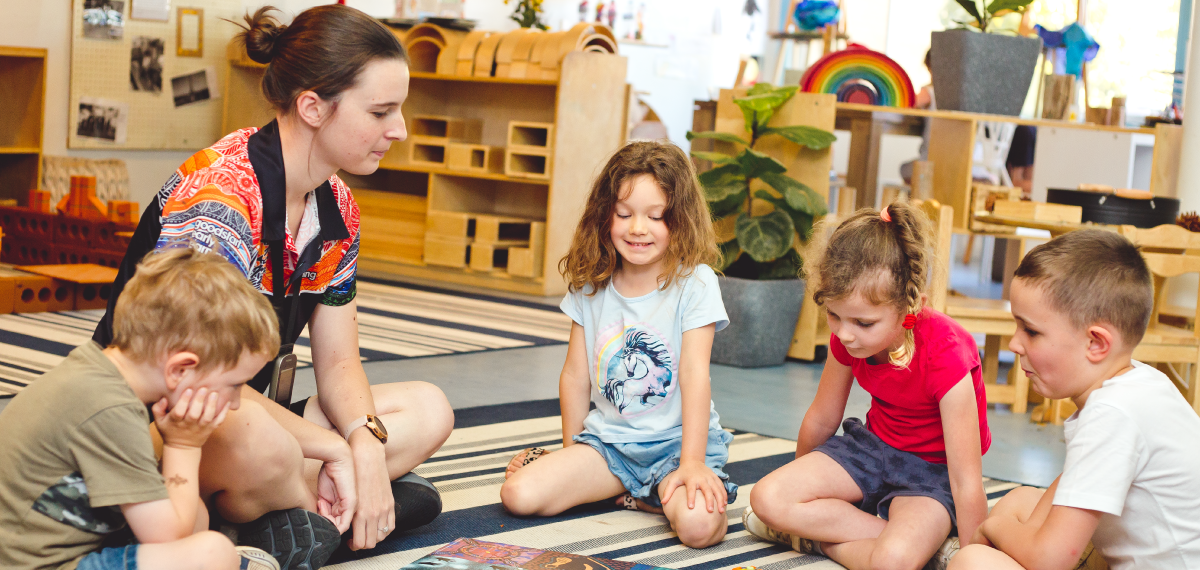

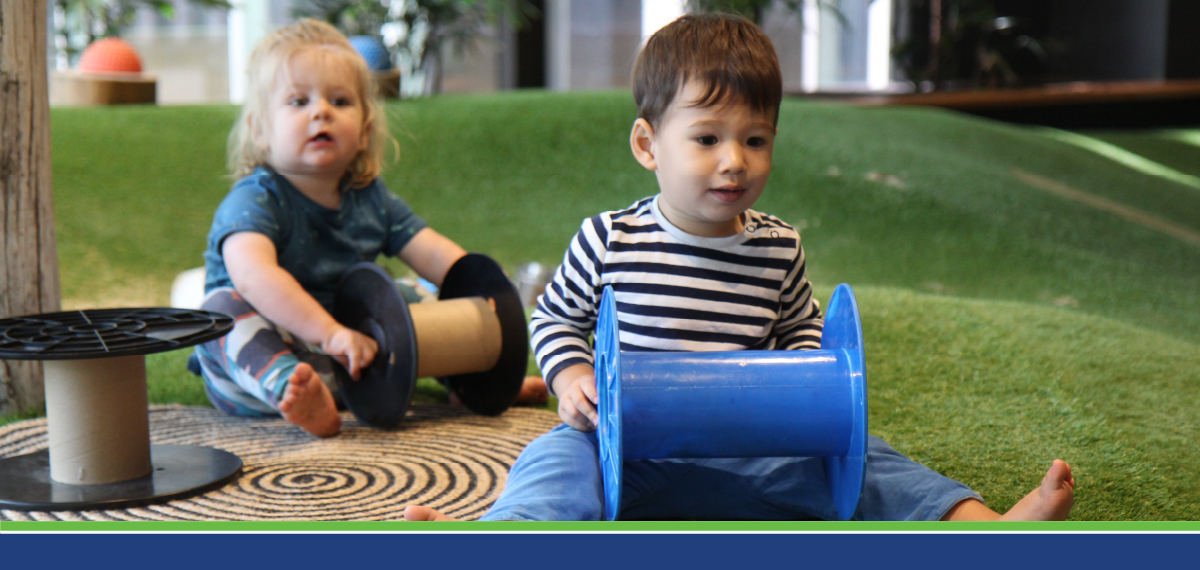
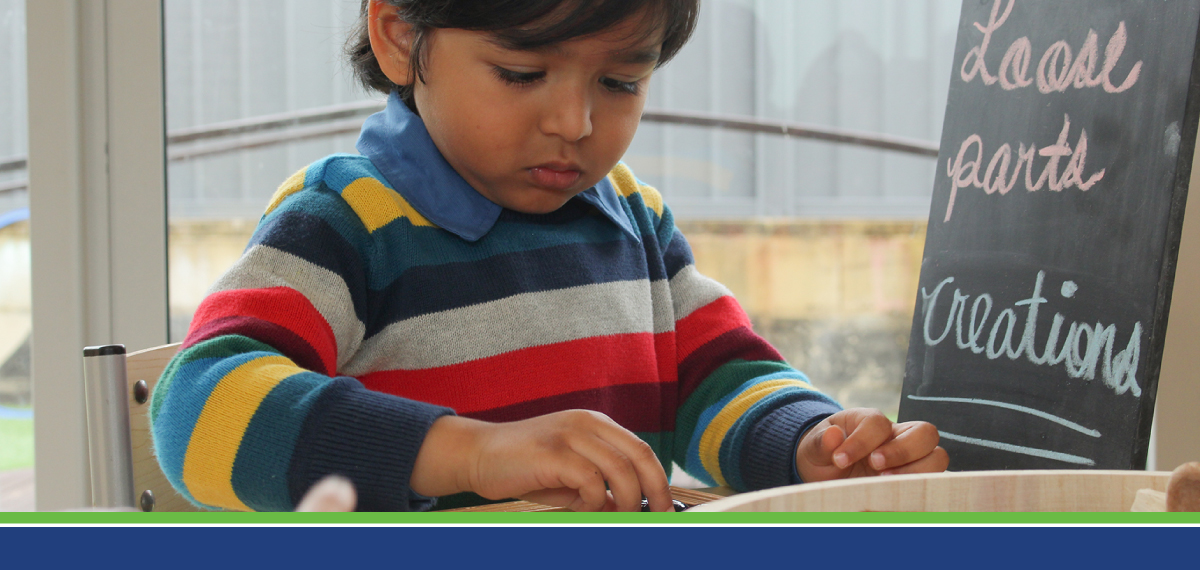
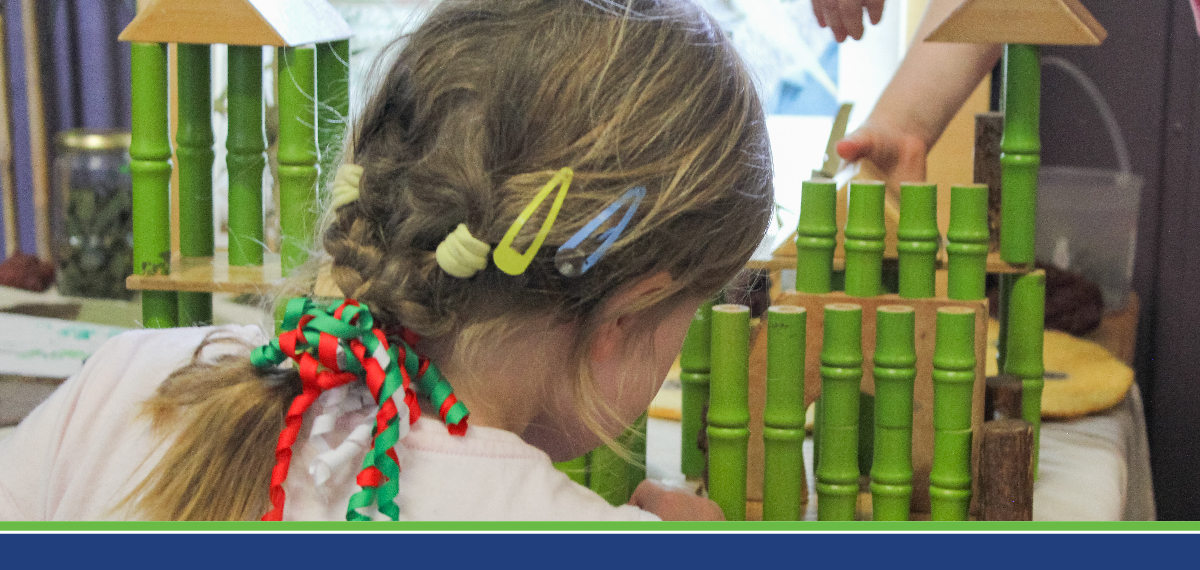
Engineering creativity in loose parts play’ involves open-ended and easily manipulated materials that children can use to construct, deconstruct and transport, both to support them in developing working theories of the physical world and to augment their social and imaginative play.
Since Simon Nicholson first formally described this natural aspect of children’s play in 1971, understandings of loose parts play have widened and diversified. In contemporary research, it is considered to be completely without boundaries and mix easily with other kinds of learning.
This webcast will examine many practical examples of loose parts play using materials that are recovered, upcycled or drawn from nature. These include opportunities for loose parts play in infant and toddler spaces and in symbolic and imaginative play. Special emphasis will be placed on provisions that are environmentally responsible, encourage co-operation and problem-solving, and are cheap as chips!
Every child has the right to both feel included and be included. Educators play a vital role in ensuring that every child is aware of this right.
In this module, you will learn how an inclusive framework can support you, as an early childhood professional, in creating a culture of responsive and respectful relationships with children, their families, those you work with as well as the community you are a part of. You will also understand how to apply inclusive practice through critical reflection and how creating a culturally safe space can help children form positive attachments and develop a strong sense of belonging and identity.
By understanding the essential role inclusion plays in supporting those who have been impacted by adversity, you will be able to identify and address barriers caused by exclusion. Specifically, you will be able to:
This module will also delve into how early brain development, experiences and relationships can have a lifelong impact on children’s sense of belonging and connection to their community. It will explore the impact of trauma and explain how educators can support children facing both exclusion and adversity. The focus of this module is on building respectful, ethical and supportive partnerships with children, families and communities using a rights-based approach.
This series is suitable for all educators currently working in an approved education and care setting across Australia. This is a foundation course that focuses on essential knowledge to guide children’s behaviour and may be suitable for educators who are new to the sector or embarking on a formal early childhood qualification.
Learners will have the opportunity to discover the meaning of neurodiversity, and make connections through play-based learning. You will explore the brain and its functions, and learn how neurodiverse children see and engage in play differently. Having an understanding of how neurodiverse children brains work, will ultimately support educators to develop safe, secure and trusting relationships with children through play.
Educators who are able to support play with children will promote individual learning and development, and enhance children’s understanding of the world around them.
In part 1 of this series, you will:
In part 2 of this series, you will:
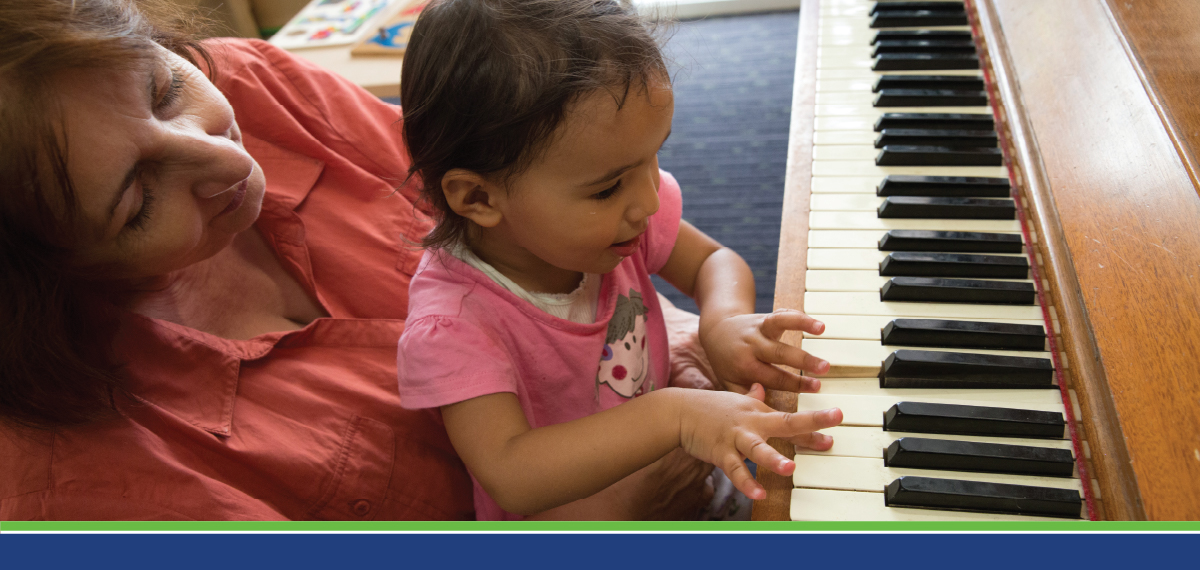
Music has long been regarded as an important part of early childhood education. In this module, explore music as an integral and vibrant part of a child’s family, community and culture, and how it can be utilised as a powerful tool for learning and development. Written by Dr Amanda Niland, this module is a vibrant look at the foundations of music, ‘musicking’ and musical skills — for both educators and children.
For young children, music can be a way of:
In this course you will:
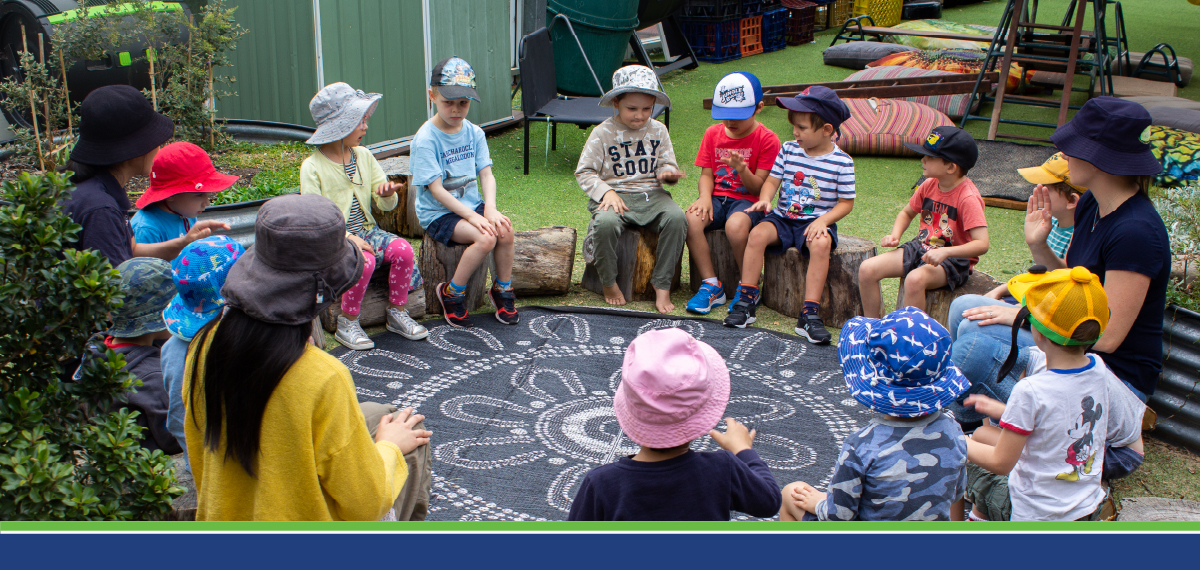
NAIDOC Week is a nationally significant annual event that celebrates the achievements of Aboriginal and Torres Strait Islander peoples. This module will provide early learning professionals an opportunity to consider how they engage with and celebrate NAIDOC Week in their local community context. It shares the stories of two services and their approach to NAIDOC Week, including how the week forms part of their approach to embedding Aboriginal and Torres Strait Islander perspectives in their everyday programs.
Engaging in this module will help participants deepen their practice by reflecting on the two stories and considering their own approach to NAIDOC Week.
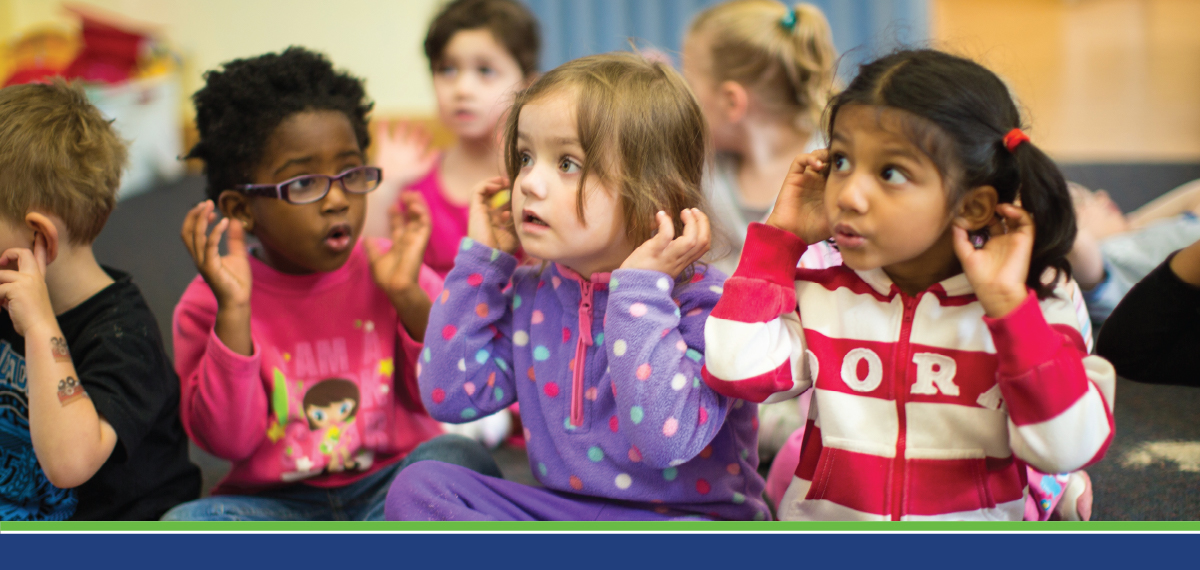
In this course, we focus on how to help children learn to manage their own attention, emotions, thinking, and behaviour. Self-regulation develops rapidly in the early years, through experiences and relationships that shape brain development. What can you do to support children to develop these critical skills?
After completing this course you will:
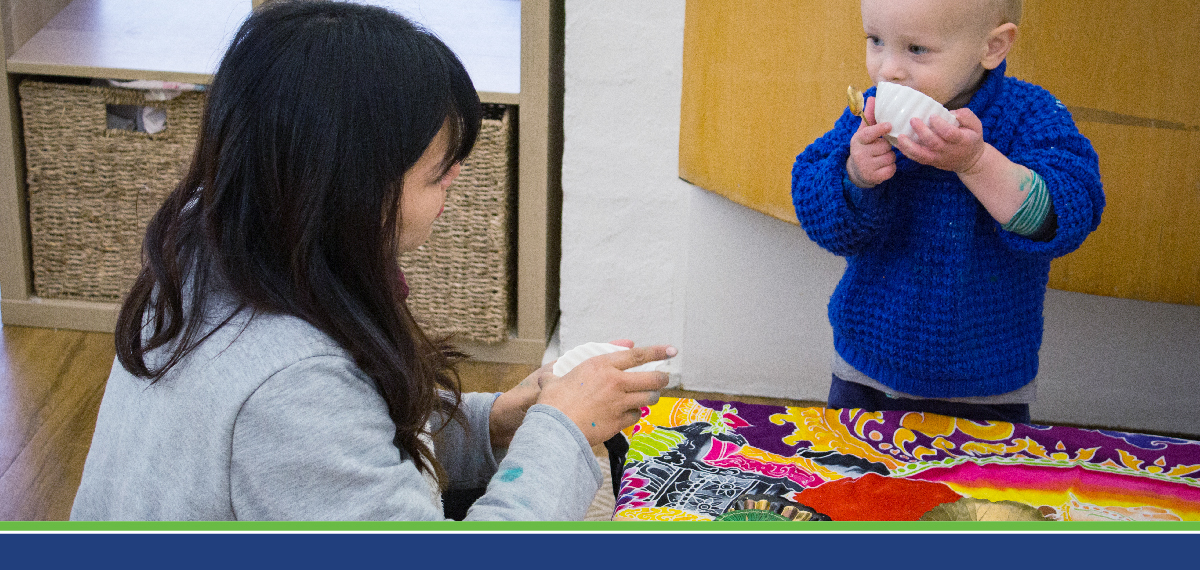
Supporting healthy eating behaviours in early childhood is about more than just providing healthy food options—it’s about how we talk with children, how we interact and care for their wellbeing, and how we create opportunities to explore where food comes from. This course invites educators to reflect on the many ways we can nurture positive relationships with food, guided by our everyday practices and interactions.
Throughout the course, educators will explore the reasons behind selective eating and gain insight into what may contribute to a child’s avoidant eating response. Educators will consider how to respond sensitively to children’s hunger and fullness cues, promoting a respectful and responsive approach to mealtimes. The course offers practical ideas for planning intentional learning experiences that focus on healthy eating, while also embracing the value of spontaneous conversations and opportunities to build on children’s emerging interests.
Educators will discover how to involve children in meaningful, play-based learning experiences that encourage curiosity, enjoyment and connection with food. There will be a strong focus on creating positive educator–child interactions during mealtimes and food-related play, helping to build trusting relationships and support children’s sense of agency and wellbeing.
This course directly relates to Quality Areas 1, 2, 3 and 5 of the National Quality Standard, and aligns with Learning Outcome 3 of the Early Years Learning Framework (V2.0), which highlights how educators can support children’s growing understanding of health and wellbeing.