Category: Everyday Learning Series

In this course, you will be introduced to the 6Rs Framework, which has been designed to help you better understand and respond to children’s behaviour. The Framework was developed in response to the increasing rates of challenging behaviours that have been reported by educators, and also in response to the need to identify alternate ways of supporting children, particularly at times of challenge or stress. The 6Rs to supporting children's behaviour captures key understandings and practices that underpin effective pedagogy and behavioural support for young children.

Affordance theory course will explore the relationship between the child and the environment and the actions possible within this. It will encourage you to reflect on your own perceptions of the environment and the affordances established, and consider the ways in which the outdoor environment can be maximised to support children’s engagement in learning.
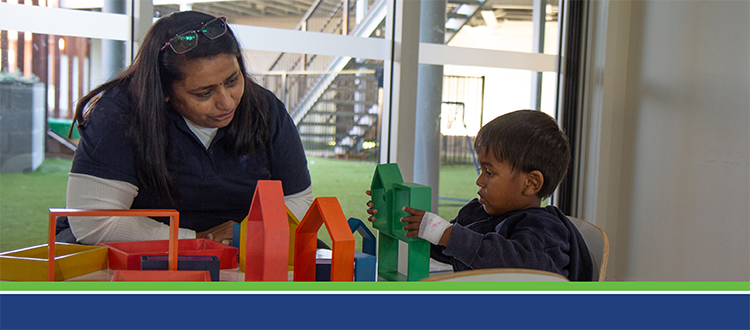
In this course, you will explore two key components of the 6Rs Framework to support children’s behaviour: relationships and respect. We know that children flourish when they’re in the context of reciprocal, responsive and respectful adult–child relationships. In this course, you will unpack key components of effective teacher–child relationships and appreciate the need to attune our behaviours to children’s needs. You will think deeply about how you demonstrate value and respect for children, and the importance of building trust and connection with their families.
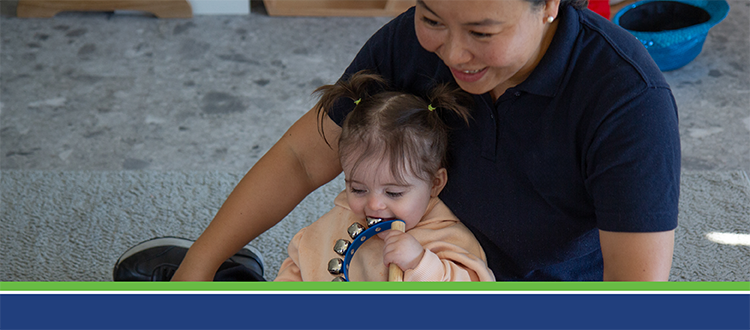
In this course, you will develop a clearer understanding of two key components of the 6Rs Framework: regulation and routes. You will learn what self-regulation is and its foundational importance in children's learning and development, as well as how it shapes their wellbeing. You will explore the different domains of self-regulation and how these interact to impact children’s behaviour.
In this course, you will explore the final two components of the 6Rs Framework: responses and research. You will discover the need for evidence-based practice and the importance of having an ongoing commitment to critical reflection. Research underpins each key component of the 6 Rs framework, but the ‘r’ for research is a reminder of how important it is for you to draw on your practices that we know actively support children developing self-regulatory capacities.
Research empowers your practices and decisions and ensures you have a credible voice. It helps you to have those difficult conversations that sometimes you need to have with colleagues and families. Research also gives you confidence in your pedagogical decisions and ensures that the practices that you’re implementing are going to benefit children.
This course is suitable for all educators looking to build their confidence in supporting children and families who are experiencing vulnerability in an approved education and care setting. This is a foundation course that may be suitable for educators new to the sector or embarking on a formal early childhood qualification.
Learners will have the opportunity to develop an understanding of what vulnerability is, how to recognise it, and develop strategies to support vulnerable children and families. You will learn the importance of advocating for vulnerable children and families, engaging in reflective practice, and ways to create a community of support within your service to approach vulnerability with more confidence.
In this course, you will:

This course expands on the ideas and concepts outlined in the introductory course, ‘Documenting and assessing children’s learning with Dr Anne Kennedy’. It is highly recommended—though not essential—that you complete the introductory course before starting this course, which delves deeper into the topic. It will help you learn a variety of strategies and new ways to document and assess children’s learning. You will understand the importance of documentation and how it is essential to driving children’s learning and high-quality educational programs.
You will hear from services about the methods and strategies they use when documenting and assessing children’s learning, and you will be invited to reflect on and consider your own practice moving forward. You will also be encouraged to consider research, theory and practice in your work and how this underpins children’s learning and development. The planning cycle—which is the foundation of the educational program, future planning and each child’s learning and development—will also be explored in depth.

This course elaborates on how documenting and assessing children’s learning helps educators gain a deeper understanding of children’s interests, strengths and abilities. It also explains how educators can use this knowledge to support and extend children’s learning.
In this course, you will:
This course is designed to support educators in developing a better understanding of the complexity of children’s behaviour and why a timely and consistent approach is important. You will be asked the question: Why do some children respond or behave in certain ways? If educators think about children’s behaviour as a form of communication, the first thing you need to ask yourself is: What is a child saying when they retreat from a difficult situation, communicate non-verbally, refuse to share, fight over resources, or experience unpredictable outbursts?
You will explore the pathways to emotional regulation and consider possible behaviours children may demonstrate when they are in a state of dysregulation. By engaging with this course, you will develop a deeper appreciation for the foundational nature of regulation for children’s learning, as well as the negative impact of stress on children’s emotions and behaviour, and any barriers to their capacity to learn or engage.
You will be encouraged to adopt an individualised lens for understanding and supporting children’s behaviour, and you will do this through an exploration of potential sources of stress and by identifying common behavioural and environmental triggers, both within and outside your early learning service settings. By developing a better understanding of children’s experiences, developmental pathways and sensitivities, educators are empowered to support children’s social, emotional and behavioural capabilities.
What does sustainability mean, and how can educators build sustainability within early childhood education and care services in meaningful ways?
Education for Sustainability, written by Deb and Julie of the NSW Early Childhood Environmental Education Network(ECEEN), looks at ways educators and families can promote sustainability within both their service and their community. When we engage in sustainability education in early childhood settings, we are aiming to create living and learning spaces that reflect and encourage sustainable practices now and into the future.
In this course, you will understand:
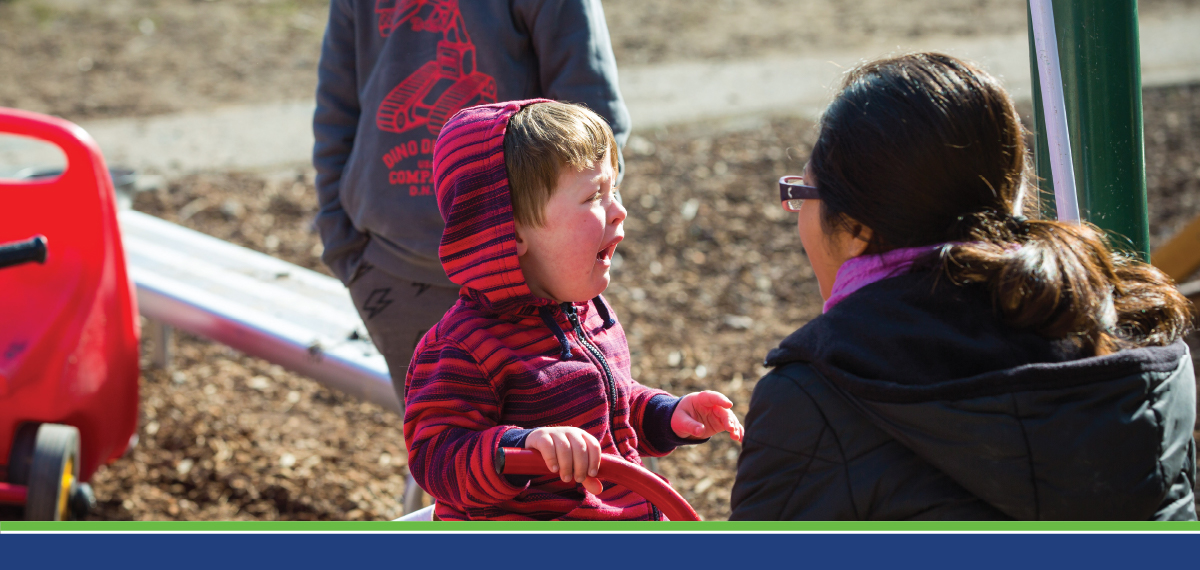
This webcast has been designed for educators on how to be effective with children with big feelings and behaviours. Particularly across long term and the short term. This course explores the five steps of Emotion Coaching: emotional awareness, connecting, listening, naming emotions and finding good solutions. When used effectively, Emotion Coaching can be used by educators and other professionals working with young children to build trusting and respectful relationships.
This course will support educators to:

Discover and explore the principles of Reggio Emilia in this one-of-a-kind online professional learning series, developed by Early Childhood Australia (ECA) and the Reggio Emilia Australia Information Exchange (REAIE), in collaboration with Reggio Children, Italy.
The Encounter series contains four parts:
Encounter 1—Not just any place
The first Encounter or part provides an overview of the educational project of Reggio Emilia and the context, culture and complexity of this educational approach. The next two Encounters will build on this initial information with an in-depth exploration of several of the important concepts of the project through interpretations from Australian educators.
In the first Encounter, entitled ‘Not just any place’, you will learn:
Encounter 2—Seeing things differently
In the second Encounter, ‘Seeing things differently’, you will be offered information about some of the pedagogical choices made by educators who work in the municipal early childhood centres in Reggio Emilia and Australian interpretations of this approach, including:
You will also be given the opportunity to consider pedagogical research and will be invited to consider ways that these choices link to daily practice.
Encounter 3—Teachers and children as researchers
In the third Encounter, ‘Teachers and children as researchers’, we delve deeper into some of the strategies for designing and understanding the learning and teaching that the educators of the educational project of Reggio Emilia engage in as part of their day-to-day work with children.
In the third Encounter, you will build on previous understandings of:
Encounter 4—Pedagogy, a context for research
In this Encounter, ‘Pedagogy, a context for research’, some of the theoretical underpinnings, values, practices and language of the educational project of Reggio Emilia will be examined in greater depth, although it should be kept in mind that the educational project of Reggio Emilia is always evolving.
In the fourth Encounter, you will have the opportunity to:
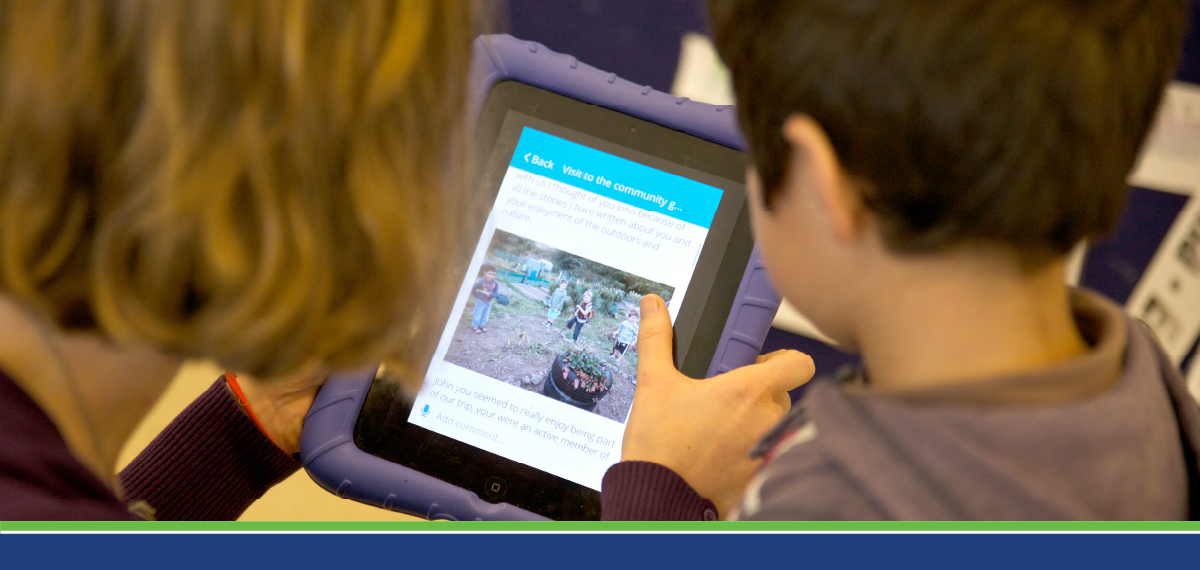
What is digital documentation and why is it widely seen as a valuable innovation for the early childhood sector? This three-part series will take you on a journey through multiple perspectives—that of the child and family, the educator and the leadership team—to consider how best to implement documentation through a digital medium.
This series is made up of three modules, including:
Part 1 - Children and families explores:
Part 2 - Educators explores:
Part 3 – Leadership and management explores:
In the series, you will:
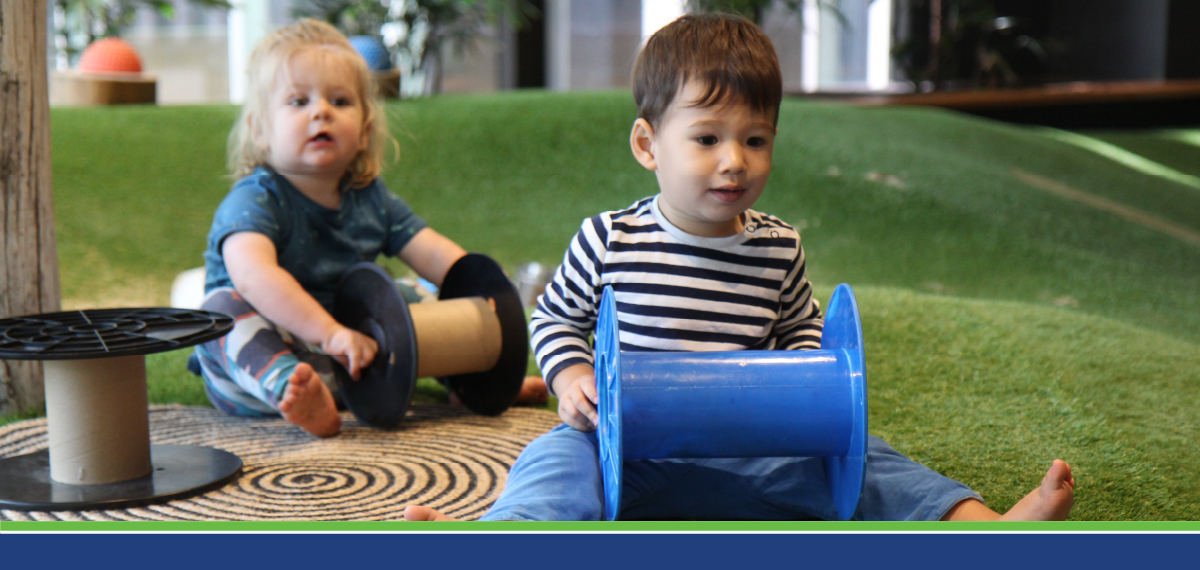
Engineering creativity in loose parts play’ involves open-ended and easily manipulated materials that children can use to construct, deconstruct and transport, both to support them in developing working theories of the physical world and to augment their social and imaginative play.
Since Simon Nicholson first formally described this natural aspect of children’s play in 1971, understandings of loose parts play have widened and diversified. In contemporary research, it is considered to be completely without boundaries and mix easily with other kinds of learning.
This webcast will examine many practical examples of loose parts play using materials that are recovered, upcycled or drawn from nature. These include opportunities for loose parts play in infant and toddler spaces and in symbolic and imaginative play. Special emphasis will be placed on provisions that are environmentally responsible, encourage co-operation and problem-solving, and are cheap as chips!
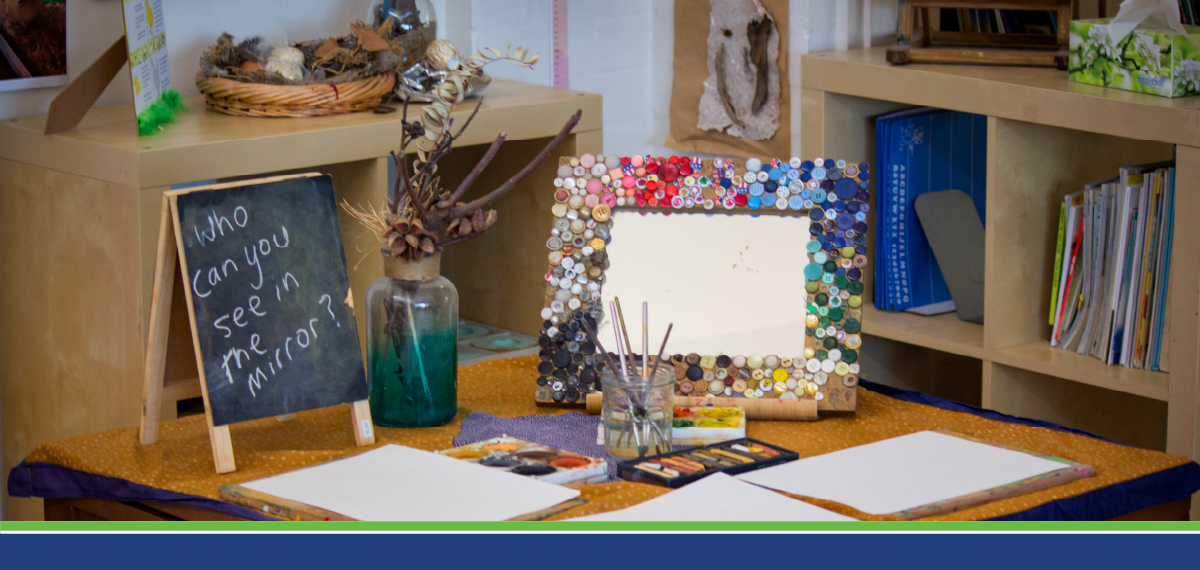
This course looks at the role of the physical environment in children’s learning and the importance of setting up a well-organised indoor space. It will help you create a variety of rich play and learning spaces through effective organisation, showing that you don’t need to be a ‘designer’ to arrange a successful learning environment. The course includes written information and video interviews with educators that will help you assess your current indoor learning spaces.
This course will provide you a better understanding of:
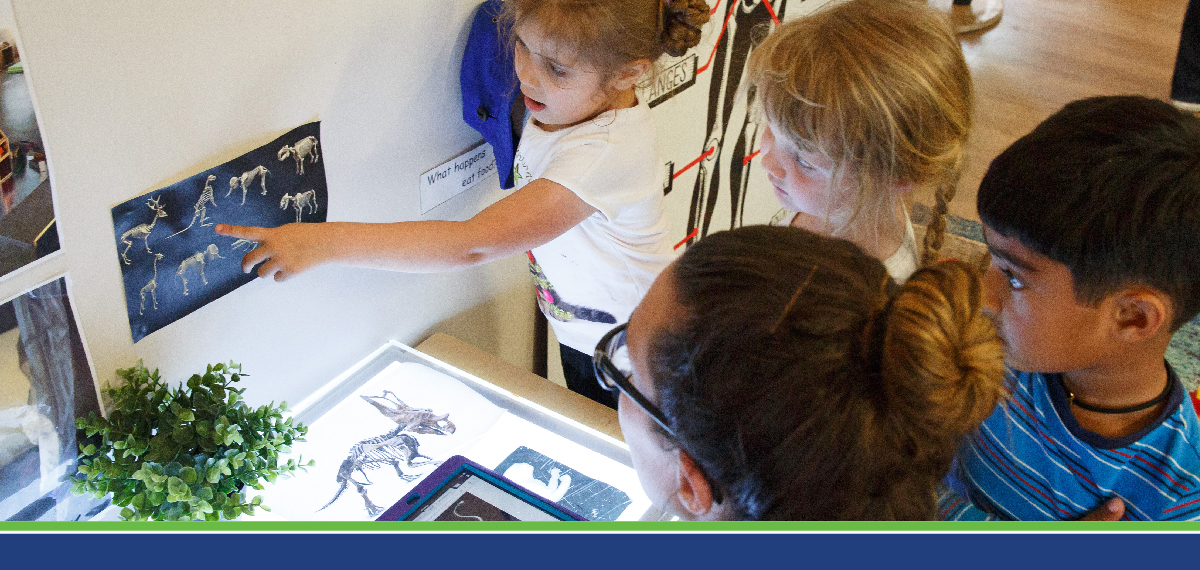
Fostering creativity is an essential component of early childhood education. This course explores the ways children can create in digital contexts. You will explore practical examples of the types of creative experiences educators set up, for children to learn with and about digital technologies. You will learn how to set up technology with online safety in mind and how to teach simple habits to make digital contexts safe.
Within the structure of eSafety’s key messaging, be safe, be kind, ask for help and make good choices, you will unpack in detail ways to set up digital devices to promote online safety and how to support children when things go wrong and the importance of teaching children to engage in problem-solving and critical reflection when communicating about technology, all with an emphasis on consent and privacy and the importance of teaching children these skills before sharing images and photos online.
Learning outcomes
This course will enable you to:

Communicating in digital contexts is among the first experiences children have directly using technologies. This course examines the benefits and risks associated with communicating in digital contexts. You will learn how to identify and mitigate the online risks that can happen in these contexts.
Within the structure of eSafety’s key messaging, be safe, be kind, ask for help and make good choices, you will navigate ways to consider children’s privacy in online learning environments, discover practical strategies to navigate children’s social and emotional growth in online environments and ways to empower children and their families when connecting with others online. You will also unpack information and strategies that can be shared with families to support children’s technology use, and their self-regulation skills when engaging with and navigating online digital environments.This course will enable you to: