ECA Learning Hub
Search results: 145


This benefit risk assessment module will help early childhood professionals working within Early Years Childcare and Education who are interested in incorporating nature within their setting while considering potential risks of incorporating nature-based programs for young children and explain how all risk assessments can be effectively documented. It will further explore ways of supporting children in making their own risk-assessments.
This course will:
- inspire your team or colleagues to explore risk with children and support children in undertaking their own benefit–risk assessment
- support effective practice by ensuring that appropriate documentation is in place
- stimulate professional debate through awareness of the possibilities and challenges of hazards and risks in early childhood practice.

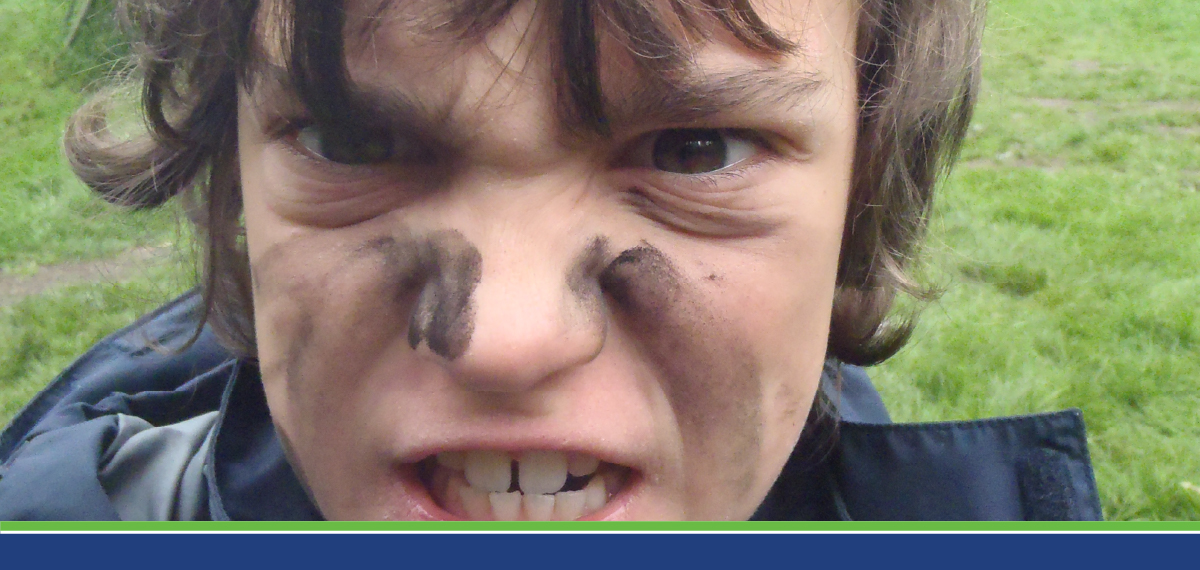
Learning with nature – Charcoal is aimed at all professionals working within Early Years Childcare and Education who are interested in incorporating nature within their setting to inspire and support children’s learning. This module is designed to give you a practical understanding of ways to incorporate charcoal, integrating nature into all aspects of learning within your setting.
In this course, you will:
- understand how charcoal is formed
- justify the inclusion of occasional fire and the use and creation of charcoal in nature-based programs
- apply the 10 things you’ve learnt about charcoal which will improve the quality of your interaction with children.

This module is design to increase your key knowledge of drips, drops and dribbles to support children’s play and learning while fulfilling the learning potential of water. It will enhance adult interaction with children, through exploring intentionality.
In this course, you will:
- understand the potential uses of very small amounts of water in children’s learning journeys
- explain and justify the inclusion of drips, drops and dribbles in nature-based programs
- apply the 10 things you’ve learnt about drips, drops and dribbles to improve the quality of your interaction with children.

This module is designed to provide a practical understanding of Nature Pedagogy. It is relevant for all early childhood education and care professionals who are interested in incorporating nature learning within their setting. This is an introductory module and does not need any prerequisite knowledge of the topic.
In this course, you will:
- list the four fundamental elements that influence the way you work with children
- describe the four features of Nature Pedagogy and how you would consider these while creating your learning structure
- summarise the theory of loose parts and take practical steps to use them more effectively within your setting
- demonstrate the thinking behind play affordance and implement it with the children you care for and educate.

To inspire and support children’s learning, this module explores different ways of incorporating leaves in nature-play experiences within early learning settings. This is an introductory module and does not need any pre-requisite knowledge of the topic.
In this course, you will:
- discuss the potential use of leaves as a unique opportunity for integrated learning and development
- explain and justify the use of leaves in nature-based programs
- apply the 10 things you’ve learnt about leaves to improve the quality of your interaction with children.

Light and shadow are an integral part of nature. This module is designed for early childhood professionals who are interested in helping young children in their setting explore the concepts of light and shadow. This is an introductory module and does not need any prerequisite knowledge of the topic.
In this course, you will:
- outline the potential of light and shadow for playful inquiry
- explain the science of light and shadow and use it to support children’s learning experience
- apply the 10 things you’ve learnt about light and shadow to improve the quality of your interaction with children.

This module examines the principles behind the design of a mud kitchen. It also explains how you can give children empowerment and autonomy in their outdoor landscapes. Using videos, recorded conversations with children and real-life case studies, this module brings to life the benefits and learning opportunities of using a mud kitchen within your setting. This module is designed to help early childhood professionals integrate mud play into children’s learning. This is an introductory module and does not need any prerequisite knowledge of the topic.
In this course, you will:
- explore how to create a mud kitchen to give children empowerment and autonomy in their outdoor landscapes
- demonstrate how to make landscapes work for children
- list the items you need in a mud kitchen
- create a mud kitchen for use within your setting.

Learning with nature – Puddles is aimed at all professionals working within early years childcare and education who are interested in incorporating water puddle play within their setting to inspire and support children’s learning. This module will give you a practical understanding of how you can include puddle play as part of nature-based learning within your setting. This is an introductory module and does not need any prerequisite knowledge of the topic.
In this course, you will:
- discuss the potential use of puddles as a unique opportunity for integrated learning and development
- explain and justify the inclusion of puddles in nature-based programs
- apply the 10 things you’ve learnt about puddles to improve the quality of your interaction with children.

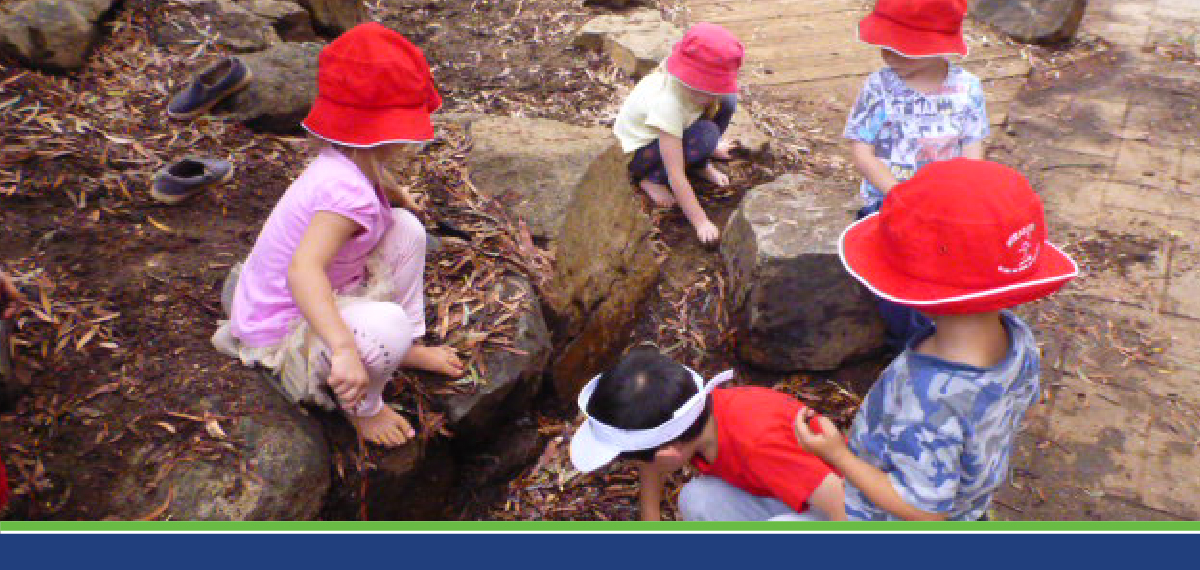
The aim of this module is to increase your key knowledge of rocks, stones and pebbles and help you design children’s play experiences that include these natural substances. Exploring intentionality, the module also outlines ways in which you can enhance your interaction with children.
In this course, you will:
- apply key knowledge to detail how children’s play and learning potential can be enhanced using rocks, stones and pebbles
- be introduced to the concept of Stonework Play (Suskind and Crandall 2017)
- improve your interaction with children by raising their awareness of the potential of a pebble.

Fifth in the 'Learning with nature' series, this modules is apt for early childhood professionals who are interested in incorporating experiences and learning opportunities for children around the properties of air and wind. This is an introductory module and does not need any prerequisite knowledge of the topic.
In this course, you will:
- understand how to teach children about the properties of air, specifically wind, to enhance their learning journeys
- explain and justify the inclusion of wind in nature-based programs
- apply the 10 things you’ve learnt about wind to improve the quality of your interaction with children.

What is a learning culture? How do educators create a strong learning culture; one that sustains and includes everyone—children, families, educators and other staff, both as respected teachers and learners? How do you create a service that is full with liveliness, creativity and energy in which everyone’s unique strengths and potential is harnessed? Anne Stonehouse AM and Michelle Gujer explore the methods in which educators can create a thriving culture of learning within their settings to support good practice and provide best outcomes for children.

This series is suitable for all educators currently working in an approved education and care setting across Australia. This is a foundation course that focuses on essential knowledge to guide children’s behaviour and may be suitable for educators who are new to the sector or embarking on a formal early childhood qualification.
Learners will have the opportunity to discover the meaning of neurodiversity, and make connections through play-based learning. You will explore the brain and its functions, and learn how neurodiverse children see and engage in play differently. Having an understanding of how neurodiverse children brains work, will ultimately support educators to develop safe, secure and trusting relationships with children through play.
Educators who are able to support play with children will promote individual learning and development, and enhance children’s understanding of the world around them.
In part 1 of this series, you will:
- develop an understanding of neurodiversity, neurodiverse children and how they interact with their environment
- explore the importance of play in developing relationships with children
- discover how to be a positive play partner and build relationships through play.
In part 2 of this series, you will:
- discover how to respond to children in play
- develop an understanding of how to build play skills
- explore the importance of developing trusting relationships to support families.

Emphasising the importance of professional communication, this module explores strategies that educators and staff can use to address conflict and challenging exchanges within education and care services.
Educational practices and ways of doing things are usually shaped by staff members’ beliefs, values, experiences and learning. As a professional working with young children and their families, you might experience challenges and conflict at times due to differences in beliefs, values and opinions. By implementing communication strategies, you will be able to minimise negative exchanges and sustain a positive and high-quality education and care environment.
This module will help you:
- delve deeper into your professional role as an educator and reflect on individual professional practice
- develop organisational strategies to minimise conflict
- understand the education and care context and apply communication strategies to address conflict and challenging exchanges.

This module explores how educators can support children’s maths and numeracy learning by weaving mathematical concepts and ideas into day-to-day practice, play and outdoor programs. It also looks at intentional teaching and child-led learning and highlights why it’s important for educators to model how to think and talk mathematically.
In this course, you will:
- learn how to include maths and numeracy concepts in your daily practice with children
- understand how to plan for mathematical learning
- reflect on the role of children in planning the educational program
- unpack how play-based learning and intentional teaching practices can support children’s mathematical understanding
- hear case studies from early childhood and school settings and find out how some educators incorporate maths in their learning environments.
This course is suitable for educators who have a foundational understanding of the nationally approved learning frameworks. Educators should have a robust understanding of contemporary teaching approaches such as play-based learning, the role of the environment and intentional teaching before embarking on this course.
Understand the power of mealtimes by exploring the profound impact of mealtime interactions and learn how to create a supportive environment where children thrive. This course recognises that mealtimes are about more than just food—it focuses on how the environments we create and the rituals we uphold can shape a child’s sense of security, belonging and wellbeing. Through practice-based examples and evidence-informed guidance, you will learn how to foster respectful and responsive interactions during mealtimes, support children in listening to their bodies and encourage autonomy in food choices. You will also explore how to create a calm, inclusive and engaging atmosphere where children feel valued and connected. This course will help you recognise the importance of consistency and predictability through mealtime routines and how these daily rituals can offer rich learning opportunities across communication, self-regulation and social development. By the end of the course, you will be equipped with practical strategies to create meaningful mealtime experiences that nurture children’s physical health and emotional and social growth. This course will support you in transforming everyday mealtimes into powerful moments of connection, learning and care.