
Category: Research in Practice Series
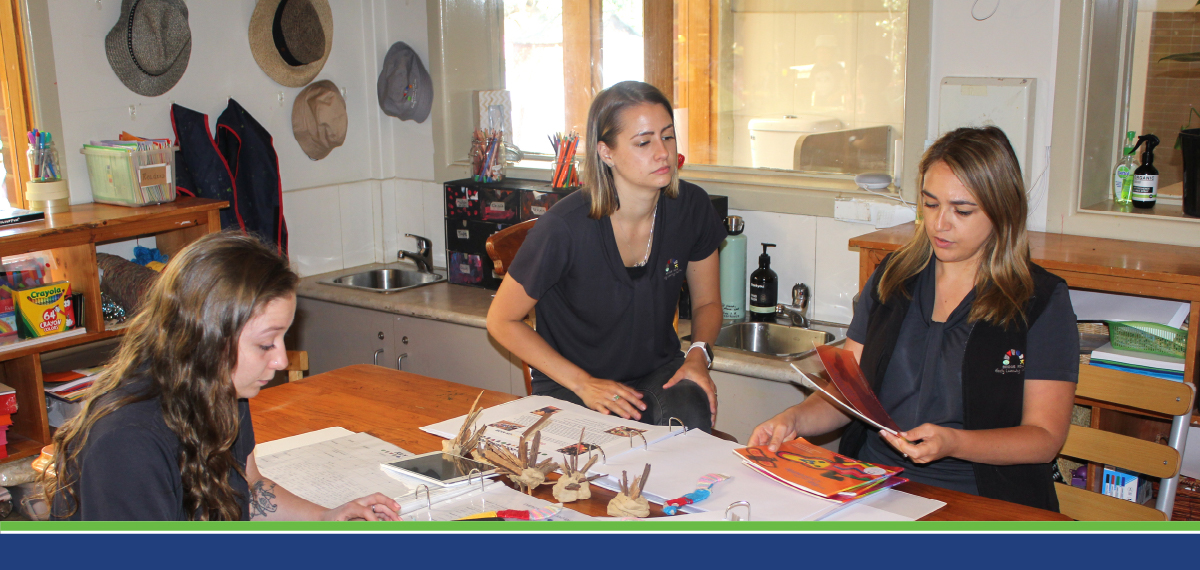
This webcast explores the idea of professional identity in two ways— who you are and what you do. You will ponder notions of professionalism and your identity in early childhood education and care in relation to children, families, colleagues and the community. Educators are encouraged to stop and reflect, individually and with colleagues, on the importance of being an ethical early childhood educator in relation to element 4.2.1 of the National Quality Framework – Management, educators and staff work with mutual respect and collaboratively, and challenge and learn from each other, recognising each other’s strengths and skills. In addition to reflecting on identity, this course asks you to consider links between professional identity and the implications of professional ethics on your practice.
In this course, you will:
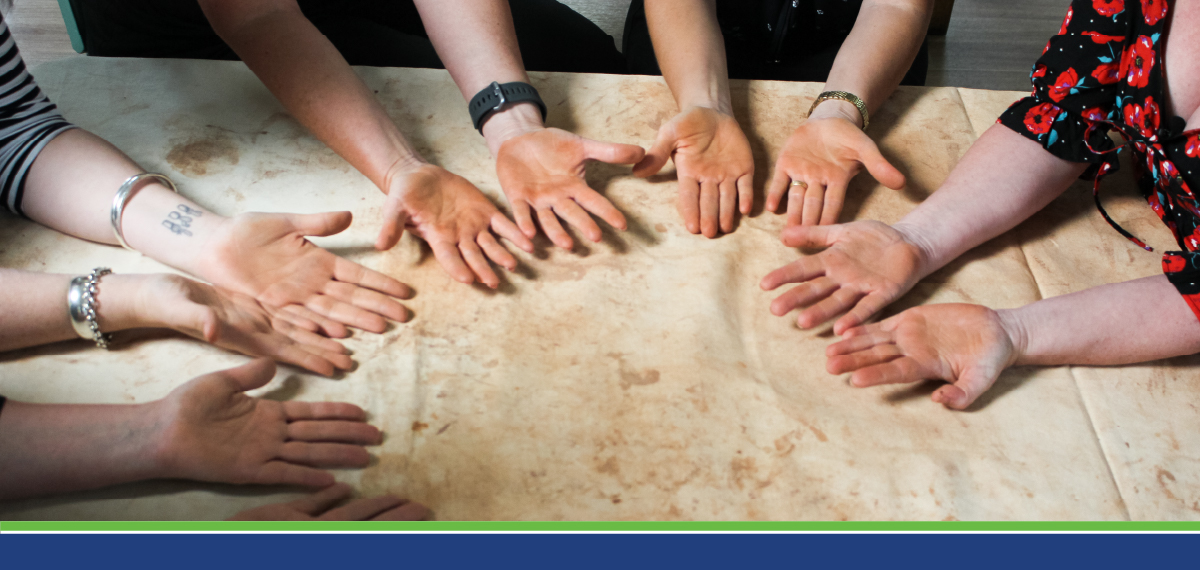
Putting art in place by Dr Red Ruby Scarlet is a two-part professional learning series that focuses on art and how it can facilitate the development of relationships. That includes relationships with Country, children, and adults as well as with materials and technology to create a holistic artistic experience.
Often, educators may think they’re not ‘arty’ or ‘creative’, but when we focus less on expertise and more on relationships, we are able to create truly meaningful artistic experiences for children and educators. This in turn empowers them to put art in place in their everyday curriculum.
Discussion about the learning that arises from these arts practices will be entwined through beautiful examples of how relationships with Country, people, materials, technology, and knowledge are generated in practice in and in-between.
The program will answer questions such as:
Working this way takes the idea of the environment as third teacher from a human-led and controlled curriculum, to a collectively created one where place, materials and non-Western knowledge flourish. This allow us to centre arts practice as the nucleus of learning in early childhood curriculum.
By taking this approach to putting art in place, children will thrive and educators and teachers will benefit as equally successful learners.

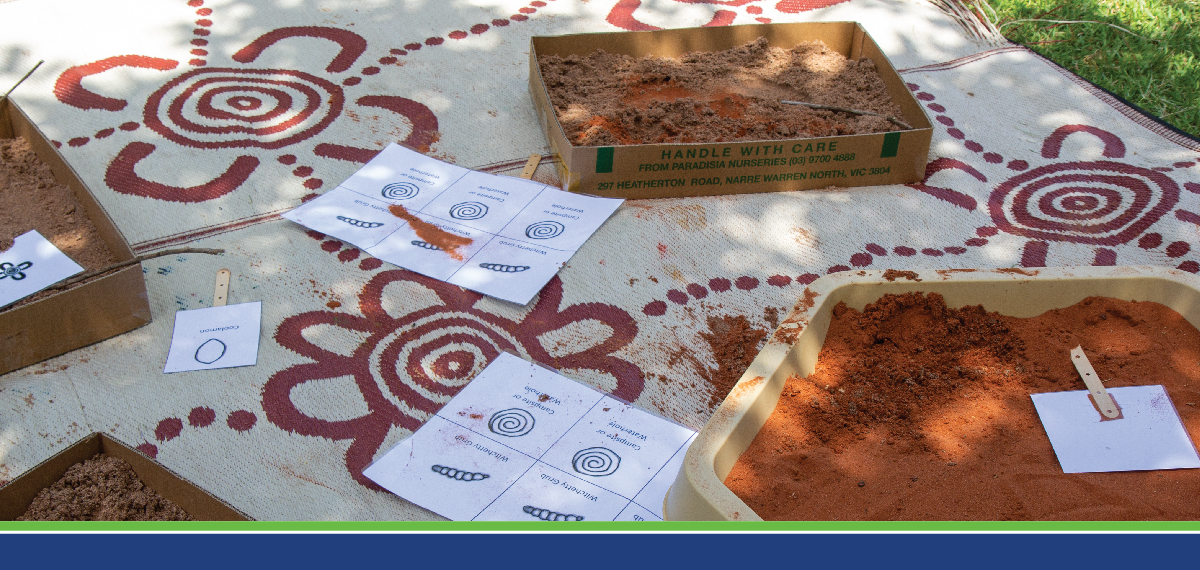
This course is suitable for all educators looking to build their confidence in taking their first steps or next steps in embedding reconciliation in an approved education and care setting. This is a foundation course that may be suitable for educators new to the sector or embarking on a formal early childhood qualification.
Exploring reconciliation in early childhood education and care settings can be an extremely powerful way of teaching children about culture and introducing them to concepts such as respect, equity and justice. This course will help you take your first steps or next steps towards embedding Aboriginal and Torres Strait Islander perspectives and reconciliation into your daily practice. By referencing the truth about Australia’s history, this course explains how knowledge and personal beliefs may impact your experience of reconciliation and how they form the foundation for building reconciliation in education and care practice.
In this course, you will:
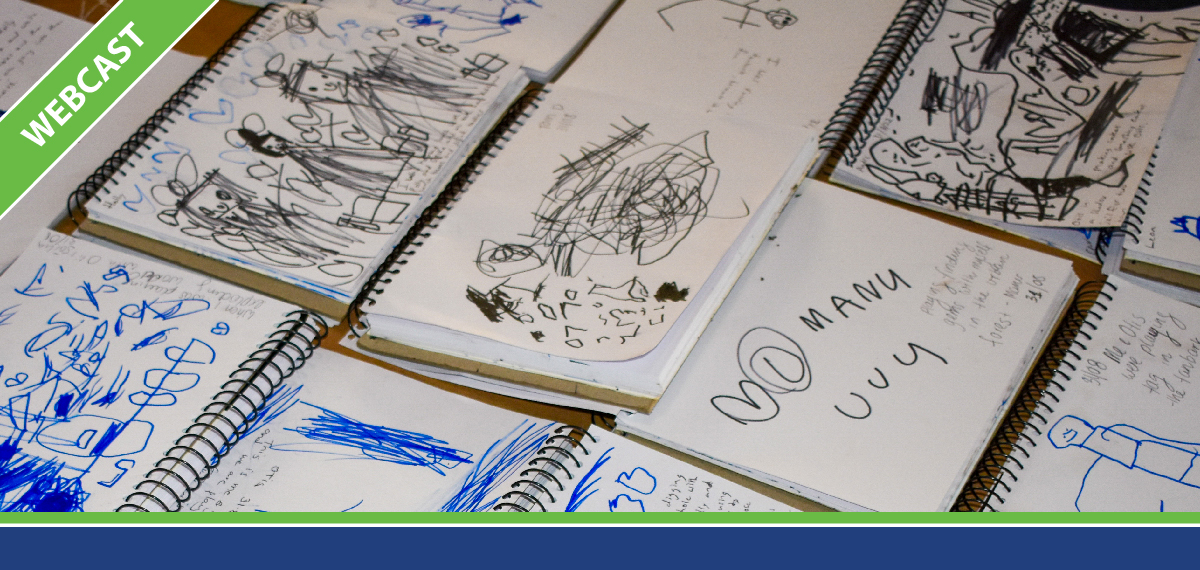
Presented by Rod Soper, this practical course will help you rediscover the Early Years Learning Framework (V2.0) planning cycle and show you how it can be used to reinvigorate not only your thinking but also your approach to children’s learning and development.
By addressing common misconceptions, the course will outline how to avoid making mistakes when using the planning cycle and foster strong analytical thinking skills within teams.
Target audience: This course is suitable for educators at any stage of their career.In this course, you will:
Presented by Rod Soper, this practical course will help you rediscover the My Time, Our Place (V2.0) planning cycle and show you how it can be used to reinvigorate not only your thinking but also your approach to children’s learning and development.
By addressing common misconceptions, the course will outline how to avoid making mistakes when using the planning cycle and foster strong analytical thinking skills within teams.
Target audience: This course is suitable for educators at any stage of their career.
In this course, you will:
Educators work hard to maintain the safety of the children in their care. While there are many risks to mitigate, it is important to also consider the risk that children may experience harmful sexual behaviours from other children in your service. Your role is to reduce the risk, recognise the red flags, and respond and report.
In this course, you will learn about harmful sexual behaviours that may occur in a long day care setting. You will learn how to prevent, identify and respond to harmful sexual behaviours that may occur between the children in your care.
In this course, you will:
Recommended for: This course is suitable for early childhood education and care professionals at all stages of their careers.

Educators work hard to maintain the safety of the children and young people in their care. While there are many risks to mitigate, it is important to also consider the risk that children and young people may experience harmful sexual behaviours from other children and young people in your service. Your role is to reduce the risk, recognise the red flags, and respond and report.
In this course, you will learn about harmful sexual behaviours that may occur in an outside school hours care setting. You will learn how to prevent, identify and respond to harmful sexual behaviours that may occur between the children and young people in your care.