
Category: Remote SCORMS
ECA Learning Hub
Search results: 137
Category: Remote SCORMS
Category: Remote SCORMS
Category: Remote SCORMS

This course is designed to explore the relevant Regulations and laws in regards to health and safety within service environments. You will unpack and explore practical examples in managing risk, responding to incidents and safeguarding children from harm and hazards. The course will provide strategies for best practice in relation to safe environments, and ways to prevent risk of harm as a whole service approach. You will also discover health and safety considerations directly relating to child-safe environments, and how to manage these risks and incidents on an ongoing basis.
Category: Governance and risk management program
Category: Research in Practice Series
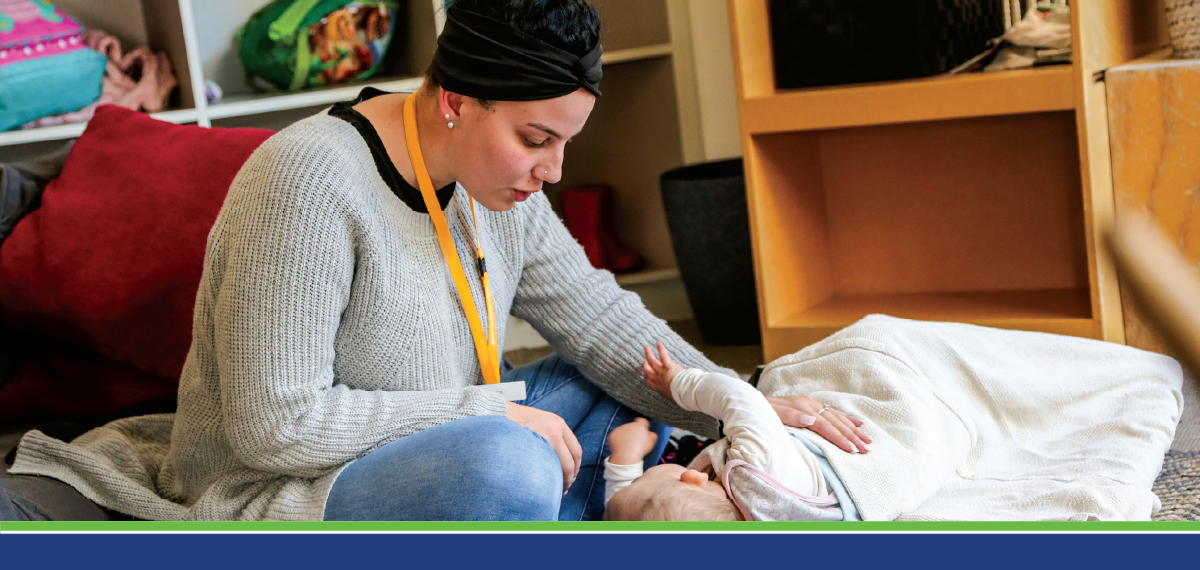
The need for sleep and rest varies as children develop and grow, and in many cases, an early childhood setting is very different to the home sleep environment. This can cause restlessness and difficulty sleeping for children of all ages.
This on-demand webinar examines practical safe sleeping strategies for settling multiple children in Early Childhood Education and Care settings. It will examine many methods of settling groups of babies or children, as well as ways to discuss and work collaboratively with parents and caregivers to support a child in sleep.
In this course, you will:
- develop skills and strategies to help settle multiple children
- ensure that babies and children sleep safely while meeting quality standards as set out by ACECQA
- discuss best practice and policies as they relate to sleep and rest
- enhance your ability to offer sleeping experiences that are appropriate to your environment.
Category: ECA Subscriptions
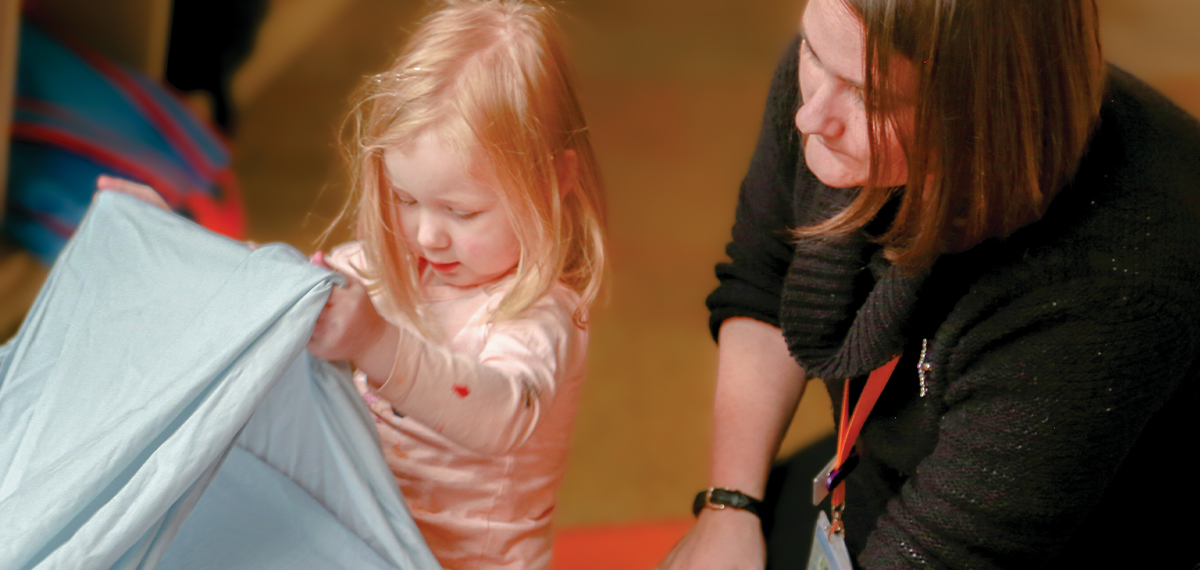
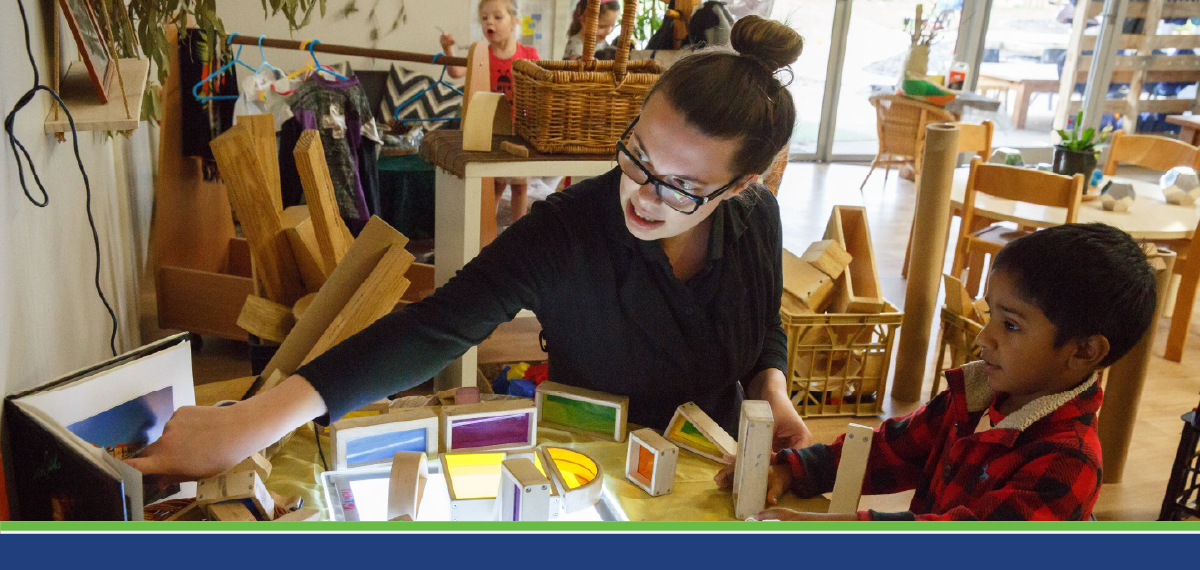
This module invites early childhood educators and teachers to engage in inquiry-based, child-led STEM practices. It discusses common notions of STEM and unfolds what STEM in the early years looks like. The audience becomes aware of everyday learning opportunities relevant to children’s life and develops a basic understanding of co-constructed environments, the principles of inquiry-based learning and the concept of metacognition.
Through this module, participants will gain an understanding of:
- STEM in an early years context
- the educator’s role in STEM inquiry
- why inquiry practices are important for children’s future
- what inquiry-based and co-constructed learning is
- how STEM inquiry links to Belonging, Being and Becoming: The Early Years Learning Framework for Australia.
Category: ECA Subscriptions

Category: Research in Practice Series
In this series of responsive professional learning opportunities, educators and service leaders will find support to navigate an increasingly complex and high-pressure environment where families are understandably concerned about children’s safety, and where teams are facing heightened scrutiny and, at times, a sense of mistrust.
Supporting and retaining experienced, confident educators is essential to maintaining safe environments and strengthening child protection practices across services.
These content-rich and practice-based professional learning series extend beyond compliance requirements to invite deep reflection and innovative practice design that safeguards children, asks questions of practice and builds the confidence needed to ensure all children thrive
Category: Live Webinars
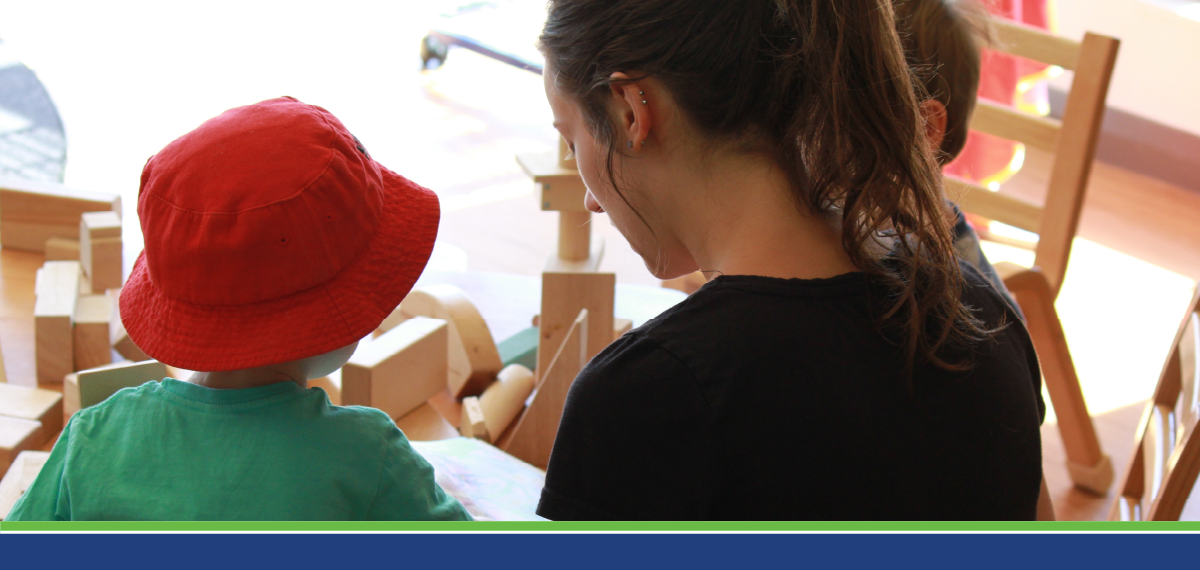
Australia’s population is one of the most culturally and linguistically diverse in the world, with an increasing number of children growing up in homes where more than one language is spoken. These children may also transition into early childhood education and care settings where many languages may be present. This reality presents a range of challenges and opportunities for early childhood professionals who educate and care for diverse groups of young children and their families.
This webinar explores the topic of childhood bilingualism and how early childhood educators can help bilingual children develop language and communication skills during the early years. The webinar also looks at supporting bilingual educators as well as how to share language and culture with young children and their families.
In this course, you will explore:
- different terms and types of bilingualism during childhood
- the various factors that influence language development in young children learning more than one language
- the benefits of bilingualism for children and their families
- how to identify and promote factors that support bilingualism during early childhood.
Category: ECA Subscriptions
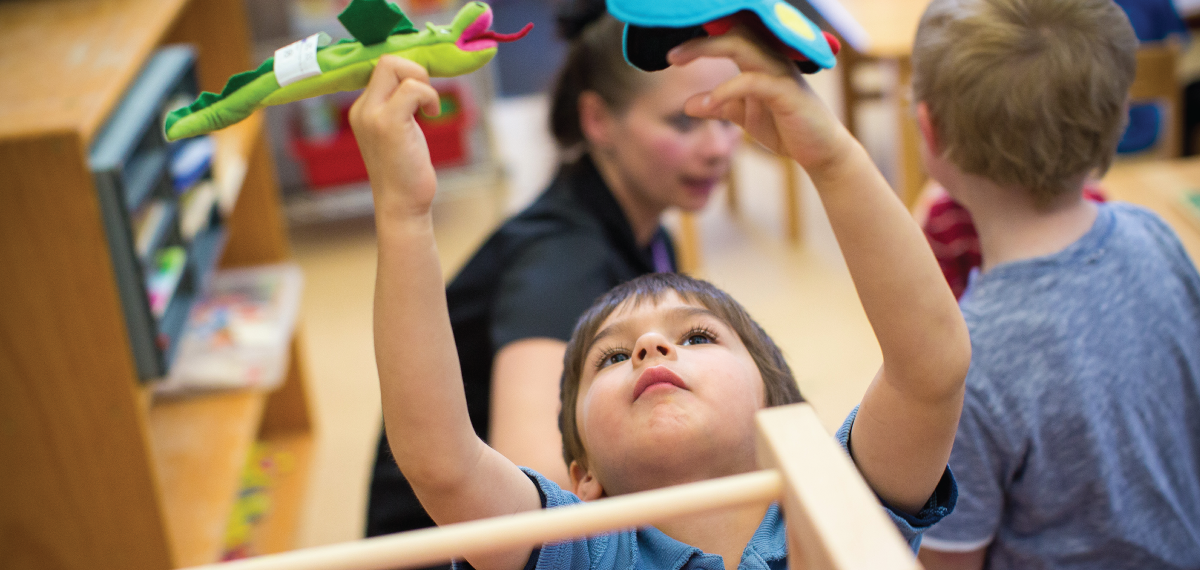
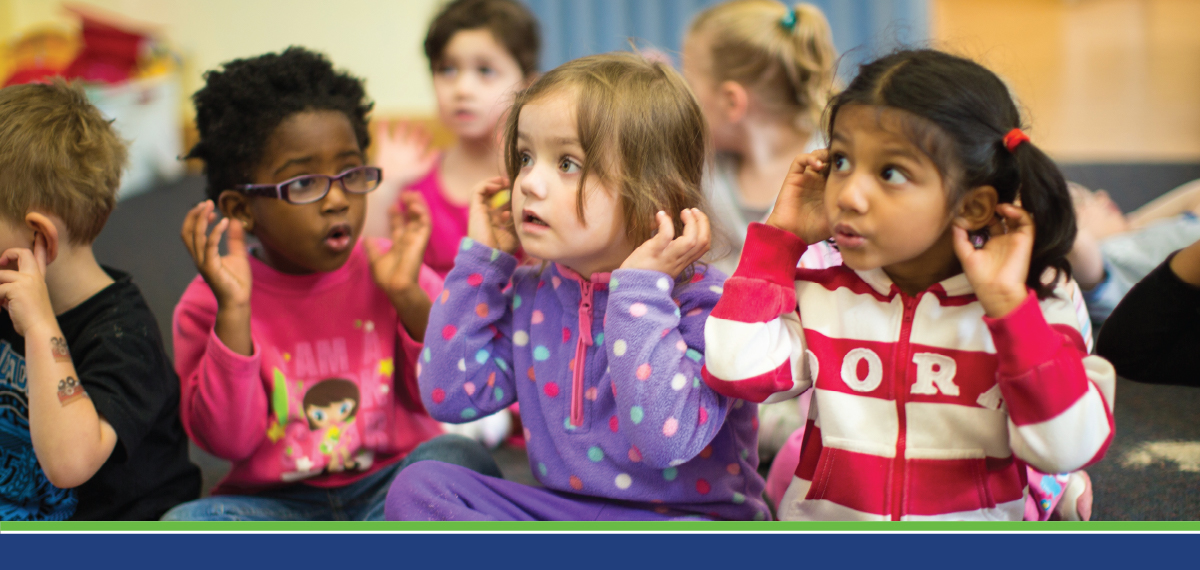
In this course, we focus on how to help children learn to manage their own attention, emotions, thinking, and behaviour. Self-regulation develops rapidly in the early years, through experiences and relationships that shape brain development. What can you do to support children to develop these critical skills?
After completing this course you will:
- discover why self-regulation is a critical skill that develops in early childhood and underpins all future learning and wellbeing
- explore the educator’s role in supporting self-regulation development through reflective practice, strong relationships with children and families and embedding self-regulation support strategies into all aspects of planning and the curriculum
- examine how play, the use of language, group games, and music and movement experiences can all support children’s self-regulation skills.
Category: ECA Subscriptions